Premium High-Purity Quartz Sand for Industrial Excellence
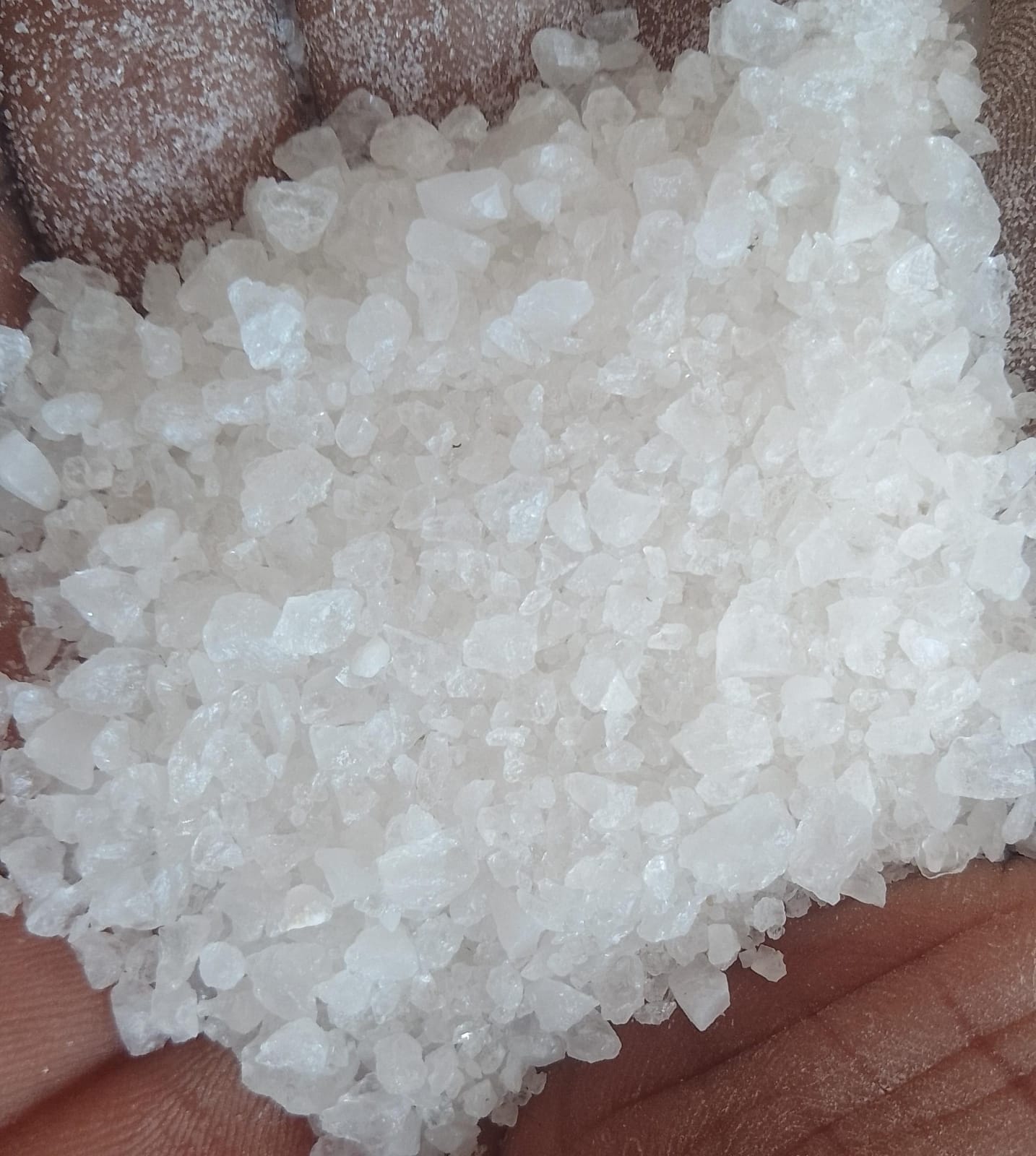
PIME supplies ultra-pure quartz grit engineered for the most demanding semiconductor, solar, and electronics applications. Our materials exceed industry standards for electrical conductivity, purity, and grain consistency.
| Specification | Value |
|---|---|
| SiO₂ Content | 99.90% – 99.99% |
| Electrical Conductivity | < 5 µS/cm |
| Grain Sizes (mm) | 0.1–0.4, 0.4–0.7, 0.7–1.25, 0–5 |
| Fe₂O₃ | < 500 ppm |
| Al₂O₃ | < 200 ppm |
| Moisture | < 0.1% |
| Packaging | 25 kg, 1000 kg BigBags, Bulk |
High-purity quartz grit — silica sand graded as feedstock for quartz crucibles, fused silica glass, solar-grade silicon production and electronics-grade glass. Supplied by PIME in Australia and globally through an audited supply network.
Ideal for fused silica glass and precision optical glass applications.
Versatile for electronics, solar cell manufacturing, and filtration systems.
Suited to glass production, filter-bed support layers and coarse foundry sand.
Suitable for heavy-duty applications including oil & gas processing.
Alongside the ultra-high-purity electronics grades above, PIME supplies commercial graded silica sand in the 0.1–1 mm band — the working range for filtration media, foundry moulding sand, glass batch and construction systems. This is the same mineral, cut and specified for a different job: purity requirements are commercial rather than electronic, and what matters instead is grain size distribution, roundness, uniformity coefficient and acid solubility.
| Typical Specification (Graded Silica Sand, 0.1–1 mm) | Value |
|---|---|
| SiO₂ Content | ≥ 99.0% (filtration) · ≥ 98.5% (foundry / construction) |
| Graded Cuts | 0.1–0.3, 0.3–0.6, 0.5–0.8, 0.6–1.0 mm |
| Effective Size (D₁₀) | 0.4 – 0.8 mm (filtration grades) |
| Uniformity Coefficient | ≤ 1.5 (filtration grades) |
| Fe₂O₃ | ≤ 0.10% |
| Acid Solubility (HCl) | ≤ 2.0% |
| Clay, Silt & Fines | ≤ 1.0% |
| Moisture | ≤ 0.5% |
| Grain Shape | Sub-angular to rounded (specify by application) |
| Packaging | 25 kg bags, 1 MT bulk bags, bulk container |
Values are typical and confirmed lot by lot on the Certificate of Analysis. Filtration grades are supplied against AS/NZS 4020 requirements for products in contact with drinking water where the application requires it.
Rapid gravity and pressure filter media for municipal and industrial water treatment. Low acid solubility and a tight uniformity coefficient keep backwash behaviour predictable and bed life long.
Green-sand and resin-bonded moulding and core-making. Grain fineness and distribution control mould permeability, surface finish and casting dimensional accuracy.
Container and flat glass batch feed, where the iron ceiling governs finished glass colour. Dissolves faster and more evenly in the melt than coarser cuts.
Graded aggregate for tile adhesives, renders, self-levelling compounds, epoxy flooring, grouts and precast — washed and dried to a controlled moisture ceiling.
PIME does not supply silica sand as an abrasive blasting medium for use in Australia. Under Australian work health and safety law, abrasive blasting using a medium containing more than 1% crystalline silica is prohibited. Silica sand is effectively pure crystalline silica and falls well outside that limit. For surface preparation, use a compliant alternative such as garnet, slag or engineered abrasives.
Separately, since 1 September 2024 the processing of crystalline silica substances — any material containing at least 1% crystalline silica — is regulated across all Australian industries. Cutting, grinding, drilling, crushing and polishing must be risk-assessed before work starts, and high-risk processing requires a written control plan. The workplace exposure standard for respirable crystalline silica is 0.05 mg/m³ over eight hours.
Every shipment meets strict specifications. Advanced quality control ensures batch-to-batch consistency and traceability for mission-critical applications.
Reliable delivery to manufacturers worldwide. Our strategic logistics partners ensure on-time shipments and cost-effective freight options for bulk orders.
Our team provides expert guidance on material selection, grain sizing, and application optimization to maximize your production efficiency and product performance.
Quartz grit consists of larger, angular particles (0.1–5mm) suitable for applications requiring bed permeability and mechanical action — filtration media, foundry moulding, glass batch and construction systems. Quartz powder is finely milled (<100 µm) and used in ceramics, coatings, and chemical applications where a smoother finish is essential.
Low electrical conductivity (<5 µS/cm) is critical for semiconductor and electronics-grade quartz. High conductivity indicates the presence of contaminants that can compromise device performance, yield rates, and reliability in high-precision manufacturing environments.
Yes — as feedstock. Our quartz grit meets the purity (99.90%–99.99% SiO₂) and low-conductivity (<5 µS/cm) specifications required for the manufacture of quartz crucibles used in Czochralski silicon growth and fused-silica components used in semiconductor fabrication. Every batch ships with a Certificate of Analysis; third-party inspection by SGS, Bureau Veritas or Intertek is available on request.
We offer four standard ranges: 0.1–0.4mm (fine), 0.4–0.7mm (medium), 0.7–1.25mm (coarse), and 0–5mm (very coarse), plus the graded silica sand cuts in the 0.1–1 mm band. Selection depends on your application: finer sizes for precision and glass-batch work, mid cuts for filtration beds and foundry moulding, coarser sizes for support layers and heavy-duty duty. Our technical team can recommend the optimal size for your needs.
Commercially, very little — both are graded silicon dioxide, and the terms are often used interchangeably in the trade. PIME uses them to separate two different jobs. Quartz grit refers to our ultra-high-purity grades, where SiO₂ of 99.90–99.99% and electrical conductivity below 5 µS/cm are the controlling parameters for crucible, fused-silica and solar-silicon feedstock. Graded silica sand refers to the 0.1–1 mm commercial band, where purity requirements are lower and what actually governs performance is grain size distribution, uniformity coefficient, roundness and acid solubility. Buying the electronics grade for a filter bed means paying for purity the application cannot use.
No. Australian work health and safety law prohibits abrasive blasting with any medium containing more than 1% crystalline silica, and silica sand is effectively pure crystalline silica. This prohibition exists because blasting shatters the grains and generates very high concentrations of respirable crystalline silica, the direct cause of silicosis. Use a compliant alternative — garnet, slag, or an engineered abrasive. We would rather turn away the enquiry than supply into a prohibited use.
Since 1 September 2024, processing a crystalline silica substance — defined as any material containing at least 1% crystalline silica — is regulated across all Australian industries, not just construction. Before cutting, grinding, drilling, crushing or polishing, a business must assess whether the processing is high risk; if it is, additional controls and a written silica risk control plan are required. The workplace exposure standard for respirable crystalline silica is 0.05 mg/m³ averaged over eight hours. Our SDS covers handling, and we can supply the crystalline silica content figure for your risk assessment.
Filtration grades are supplied against AS/NZS 4020 requirements for products in contact with drinking water where the application calls for it, with low acid solubility (≤ 2.0% HCl) so the media does not contribute dissolved solids to treated water. Specify your effective size and uniformity coefficient targets and we will grade to them — see our water filtration media guide for how those parameters drive filter bed performance.
A current Safety Data Sheet (SDS) is supplied with every consignment and is available on request. This product contains respirable crystalline silica (RCS); prolonged inhalation of airborne silica dust is a recognised health hazard. Workers must follow Safe Work Australia guidance, use appropriate PPE, and implement dust-control measures in line with the Work Health and Safety Regulations.
Contact our team for specifications, pricing, and delivery options tailored to your production requirements.
Request a Quote